How to plan a kindergarten homeschool schedule for your kiddo
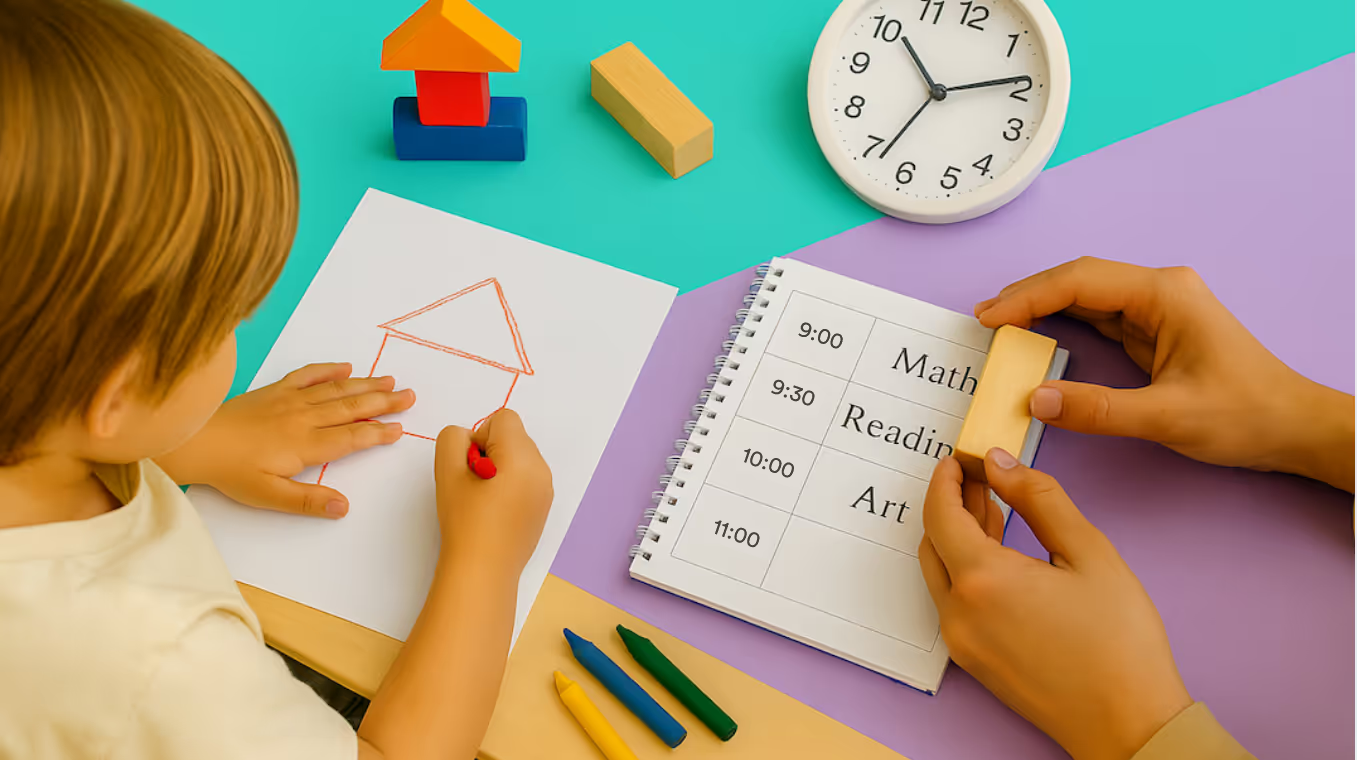
Kindergarten is a year of firsts. First adventures into reading, first hands-on science discoveries, and plenty of those first big “I did it!” moments.
It’s also your first opportunity, as a homeschooling parent, to shape how learning feels at home. But without structure, days can quickly feel messy and stressful.
A kindergarten homeschool schedule brings predictability, helps your child focus, and creates space for joyful learning and exploration. In this guide, you’ll find ideas for what to teach, how to structure the day and week, and tips to build a schedule your kiddo will be excited about.
Why having a schedule matters in kindergarten
In kindergarten, you introduce new skills, learning experiences, and responsibilities. While it may be exciting for your kiddo, it can also feel overwhelming.
A schedule tells them what to expect and gives them a sense of security. This bit of predictability can help reduce anxiety, lower resistance, and build focus and confidence. Research published in the Journal of Family Theory & Review found that children who follow consistent daily routines show stronger self-regulation, social-emotional maturity, and readiness for learning. In other words, a predictable daily rhythm provides stability in the middle of so much growth and change.
A daily schedule also helps balance two essential parts of early learning: play and academics. Homeschool routines teach children to transition from play time to focus time.
As for homeschool parents, a schedule helps you stay organized and focused on learning outcomes. It takes away the guesswork so you can show up calm, confident, and ready to support your kiddo.
What to include in a kindergarten homeschool schedule
Curiosity naturally runs high in kindergarten. You’ve probably noticed the endless “why” stage, where your kiddo wants to know how every little thing works. Channel this natural curiosity into your kindergarten homeschool schedule and nurture a love of learning early on with:
Short, hands-on learning blocks
According to Brain Balance Centers, a child’s attention span is usually about two to three minutes per year of age. For a 5-year-old, that’s roughly 10 to 15 minutes of focus at a time.
That means kindergarteners learn best in 10- to 20-minute bursts. Schedule two to three focused blocks in the morning time for literacy, counting, or hands-on projects, and keep them play-based. For example, practice phonics with a scavenger hunt, or practice counting while building with blocks.
Movement and brain breaks
Breaks are good for the body and brain. Research published in the Journal of Family Theory & Review mentioned above shows that short breaks help kids reset, regulate their emotions, and come back ready to learn.
Even a short five-minute break after a focus block can make a big difference in attention and mood. Movement breaks, like dancing, stretching, or a short walk outside, help children process what they’ve learned and regulate their emotions so they are ready for the next block schedule.
Reading time
Few things feel as magical as storytime in kindergarten. Stories invite children into a world of memorable characters, big adventures, and endless possibilities.
Daily read-alouds are one of the most powerful ways to build comprehension, vocabulary, and a love of books. They give your kiddo a chance to hear new words in context, follow a story’s plot, and spark their own imaginations. You can also include independent reading time. Even if they’re just flipping through pictures and retelling the story, they are practicing comprehension skills and building confidence as early readers.
Creative expression
Kids can dream up entire worlds without hesitation or fear of being “wrong.” The freedom to explore those wild ideas is one of the most valuable parts of early learning.
Including time for creative freedom every day gives your kiddo the chance to express themselves in ways they can’t academically. It could be painting a rainbow after a nature study walk, creating a song about animals they saw at a zoo, or building a bug house in the backyard.
These learning activities help kids process new ideas, practice problem-solving, and grow bold and confident in their self-expression.
Free play
Play-based learning is at the heart of kindergarten. Even when it looks like “just play,” children are practicing important skills. Whether they’re setting up a pretend grocery store or inventing rules for a new game, learning is still happening.
Free play gives kids full ownership to build, pretend, and explore independently. It’s their chance to follow their own ideas, experiment without rules, and let their imaginations take the lead. The Institute of Education Sciences notes that play-based learning builds skills kids will carry for life, like collaboration, problem-solving, communication, and creativity.
Social and emotional check-ins
Start the day with a quick morning check-in. Something as simple as asking how your child is feeling or looking out the window to notice the weather can help ground them before the day starts.
End with a simple reflection: “What did you like best today?” or “What’s one new thing you learned?” This small moment teaches children to name their feelings, celebrate progress, and practice gratitude.
For a closer look at subjects to include in kindergarten, head over to our kindergarten homeschool curriculum article.
Examples of kindergarten homeschool schedules
No two days will ever look exactly alike, and that’s okay. These example homeschool schedules for kindergarten are meant to inspire you and provide a starting point:
Example schedule one: for kiddos who need a bit more structure
If your kiddo feels more confident knowing what’s coming next, give them a structured daily rhythm to keep the day flowing. This schedule builds in short, clear blocks of time for learning, play, and movement.
9:00–9:10 – Morning meetingCalendar, weather, feelings check, fun song to start the day
9:10–9:25 – Block #1: Literacy playLetter games or story sequencing with pictures
9:25–9:35 – Movement breakAnimal walks, yoga, or dance
9:35–9:50 – Block #2: Math through playCounting objects, shape hunt, or sorting blocks
9:50–10:00 – Snack break
**10:00–10:20 – Block #3: Science or social studies (rotating)**Simple experiment, weather observation, or family/community story
10:20–11:00 – Free playOpen-ended toys, pretend play, or outdoor play
11:00–11:45 – Creative artsPainting, building, music, or role-play
11:45–12:30 – Lunch + recess
12:30–12:45 – Reading timeParent read-aloud + character discussions, cozy book nook time
12:45–13:15 – Block #4: Hands-on projectDrawing, building, or art tied to the morning time theme
13:15–13:45 – Outdoor movementPlayground, scooter, or simple ball games
13:45–14:00 – Wrap-up & reflectionShare “favorite thing I did today” and one new thing learned
Example schedule two: for kiddos who enjoy more play and movement
Some kids learn best when they’re active and moving. This schedule uses longer stretches of play, more outdoor time, and fewer daily subjects. It’s a great fit for highly active or sensory-seeking kiddos.
9:00–9:20 – Morning circleSong, calendar, feelings check
9:20–9:40 – Read-aloud & discussionInteractive storytelling by acting out parts of the story
9:40–10:10 – Indoor play
Puzzles or coloring while listening to an audiobook
10:10–10:30 – Snack break
10:30–11:00 – Math gamesBoard games, cooking with measurements, or counting toys
11:00–12:00 – Outdoor adventureNature study, sandbox, gardening, bug hunt, or playground
12:00–12:30 – Lunch
12:30–13:15 – Creative project timeBig crafts, dramatic play, or music jam
**13:15–13:45 – Science / social studies (2–3x a week)**Simple experiment or learning about community helpers
13:45–14:00 – Story time wind-downRead-aloud with discussion, kids choose their favorite books
Sample of a weekly kindergarten homeschool schedule
Homeschool planning for a full week gives you a clearer picture of how learning, play, and rest fit together. Instead of packing every subject into every day, you can also spread core subjects across the week to leave more time for play.
Monday – Language and storytelling
Morning circle + songs
Focus on language arts (letter sounds, read-aloud, early writing)
Afternoon: art project tied to the story of the day
Tuesday – Math and movement
Morning circle
Counting games, number recognition, or sorting activities
Afternoon: obstacle course or dance activity to bring math into movement
Wednesday – Science and discovery
Morning circle
Hands-on exploration (nature walk, simple experiment, sensory activity)
Afternoon: creative project (drawing what they observed, discussion)
Thursday – Creativity and expression
Morning circle
Music, drama, or imaginative play
Afternoon: collaborative craft (group mural, puppet making, dress-up skit)
Friday – Fun Friday
Morning: STEM challenge (build the tallest tower, create a simple ramp race)
Midday: Baking project (measure ingredients, mix, taste test)
Afternoon: Reflection circle, share their week’s highlight, then wrap up with a small activity
Tips for designing a great homeschool kindergarten schedule
Here are a few tips to help you design a kindergarten homeschool schedule that fits your homeschool vision:
Create a flexible homeschool routine (not a rigid schedule)
While predictability is helpful, a child’s energy and mood can shift as quickly as the weather. The goal of a schedule is not to control every minute, but to create a gentle flow of structure.
Instead of a rigid schedule, aim for anchor points that give the day shape. For example, morning time, snack time, and story time can happen around the same time every day. Also, build in room to swap or stretch activities as needed so both you and your kiddo are less stressed about racing with the clock.
Mix and match quiet and active time
Kindergartners are full of wiggles. Too much sitting makes them restless, but nonstop motion makes it hard to focus. The key is to mix calm, focused activities, like reading, puzzles, or drawing, with bursts of movement, such as dancing to a favorite YouTube Channel or playing outdoors.
Active time can burn off energy, reset their minds, and even reinforce learning. For instance, try hopscotching to recognize numbers. A balance between quiet and active time keeps the day playful and productive.
Follow your kiddo’s interests and energy levels
What makes your kiddo’s eyes light up? Follow those clues and fold them into the day. If your little one is obsessed with dinosaurs, then practice counting with toy dinos or read books about fossils during storytime.
Pay attention to their energy too. When they’re tired or restless, swap in something lighter and save the tougher stuff for when they’re most alert and curious.
One easy trick is to offer choices: “Do you want to go on a nature walk now, or make an art project?” Choices help kids feel in charge and more willing to participate.
If building a schedule feels overwhelming, here’s another path
It’s normal to feel overwhelmed or lost when you’re starting, especially with something as important as your child’s first school year. You might worry about covering the right subjects, doing enough every day, or missing something important.
This is where bina can help.
Our small, live online classes (up to eight kids) are led by certified teachers who know how to make learning playful and interactive. Your kiddo gets the benefits of structure without losing the joy of learning.
Each day follows a predictable schedule, but daily check-ins allow our teachers to adjust lesson plans based on your child’s interests, energy, and pace. Subjects are woven together in project-based ‘biomes,’ where kids connect their learning to the real world through hands-on activities.
At bina, learning is social, too. By connecting with children from around the globe, your child builds friendships while developing important social-emotional skills, such as social awareness, empathy, and cooperation.
With our dedicated Learning Success team by your side, you’ll never have to worry about doing this alone.
FAQs
What time of day should I start kindergarten for my kiddo?
Starting in the morning will help your child begin the day ready to learn. There’s no perfect moment to begin, but it’s a good idea to start school at the same time each day so they benefit from the consistency of a routine.
At bina, we start the day at 9:00 for three different time zones, so our kiddos around the world can join together. The day begins with social-emotional learning to help students connect and feel ready to learn.
How many breaks should I include in my child’s homeschool schedule?
Kindergarteners need plenty of breaks to help them stay focused and engaged. As a rule of thumb, schedule a break after each subject or lesson. For example, your kiddo might have a 15-minute snack break after morning math and a five-minute silly dance break after literacy.
What's a good balance between structured learning and play for kindergarten?
Unlike public school hours, your homeschool day doesn’t need to stretch on endlessly. Aim for short learning blocks with plenty of breaks and play in between.
In a five-hour day, two to three hours of structured lessons are plenty. You can fill the rest of the time with play, movement, and exploration.
Accredited, full-time school for grades K-12
Bring the best of the classroom to your home
See if we're a fit

More to read

How to Create an Awesome 2nd-grade Homeschool Schedule
Discover what a 2nd-grade homeschool schedule should include. Get tips, schedule examples, and strategies to keep your child engaged.

How to plan a 1st-grade homeschool schedule for your kiddo
Create a 1st-grade homeschool schedule that balances reading, math, projects, and everyday life. Get simple tips to help your kiddo learn, grow, and shine.
How to plan a preschool homeschool schedule for your kiddo
Learn how to create a preschool homeschool schedule that blends education with play. Build a routine that keeps learning at home fun and low-stress.