Being an internationally-accredited school: why does it matter?

Let's talk about something more than just a badge of honour; it's a warm embrace from the world of education. We're thrilled to share that bina is accredited by Cognia, a global leader in improving educational opportunities for students.
Think of Cognia as that wise, world-travelled grandparent in schooling—a guiding presence that has nurtured educational excellence in over 85 countries. So when Cognia vouches for bina, it means that no matter where you find your family-- navigating new opportunities in Brussels or embracing Vancouver's scenic beauty, you know your little ones are getting a holistic, quality education that resonates globally.
Have you ever wondered why international accreditation is such a big deal? Let's delve in!
Why international accreditation is more than just a gold star for bina
It means that bina meets and exceeds recognised standards for quality education globally. So yes, we meet the checklist of global education standards. Still, the essence is a continuous assurance that no matter where you are, your kids will have a consistent, quality education that speaks a global language and that the continuation of their international education career is formally vouched for.
What does international accreditation mean for bina?
For starters, international accreditation is like the "Oscar" in education. In other words, bina's stamp of international approval ensures that your child receives a top-notch education that's universally acknowledged.
Synchronous, active, and high-paced learning
bina is educating Gen As using a new set of resources, where learning is a live, active, and thrilling ride. Imagine your kids engaging in real-time projects, interactive discussions, and hands-on activities, all led by our master teachers. Yep, it's as good as it sounds! Cognia accreditation shows that although we do educational work in new ways, we delicately stand on the shoulders of giants that crafted international standards.
Why was bina's process so fast?
Precision education
You know your child is unique, but balancing that with a universally top-notch education can be a real puzzle. bina's Precision Education allows a constant high resolution to what your child knows, can do and to what depth so we can address it accurately and immediately. This also enabled the accreditors to understand and value our work quickly.
Led by Master Teachers
Our master teachers are the backbone of the bina experience. Accreditation ensures that our teaching staff isn't just qualified but exceeds global educational standards. That's how you know you're entrusting your children to professionals at the top of the global game.
High-quality, curated curriculum
When we say we exceed the UK standards and US Common Core and even incorporate elements from the IB PYP and Australian standards, we're not joking. Our curriculum is a well-rounded buffet of the world's best educational programs, offering your child an unmatched multifaceted perspective.
Smart matching for optimal learning
Have you heard about our groups of up to 7 smart-matched kids? That means each child is placed in a learning environment where they are most likely to excel based on their strengths and interests. The benefit of international accreditation here is that these practices are held to a global standard of educational excellence.
Cultural and environmental awareness
bina is turning grades and textbooks into a holistic education model focusing on cultural and environmental awareness. Part of our internationally accredited program includes helping children appreciate the beauty in different cultures and understand the Importance of ecological sustainability. So, your little ones grow up intelligent, wise, and compassionate.
Wrapping up
So, why does international accreditation for bina matter? Because it assures your child a globally recognised, universally accepted, and incredibly excellent education.
It's not just about ticking off the academic boxes; it's about creating quality educational outcomes—and joy—at scale.
So wherever life takes you, bina fits right into your family's journey, offering your child an education that's as global, mobile, and incredible as they are.
Accredited, full-time school for grades K-12
Bring the best of the classroom to your home
See if we're a fit

More to read
The myth of learning styles and what truly works in a modern school
Explore why the popular learning‑styles theory is considered outdated, and discover how modern, evidence‑based methods like personalized and project‑based learning at bina offer real results.

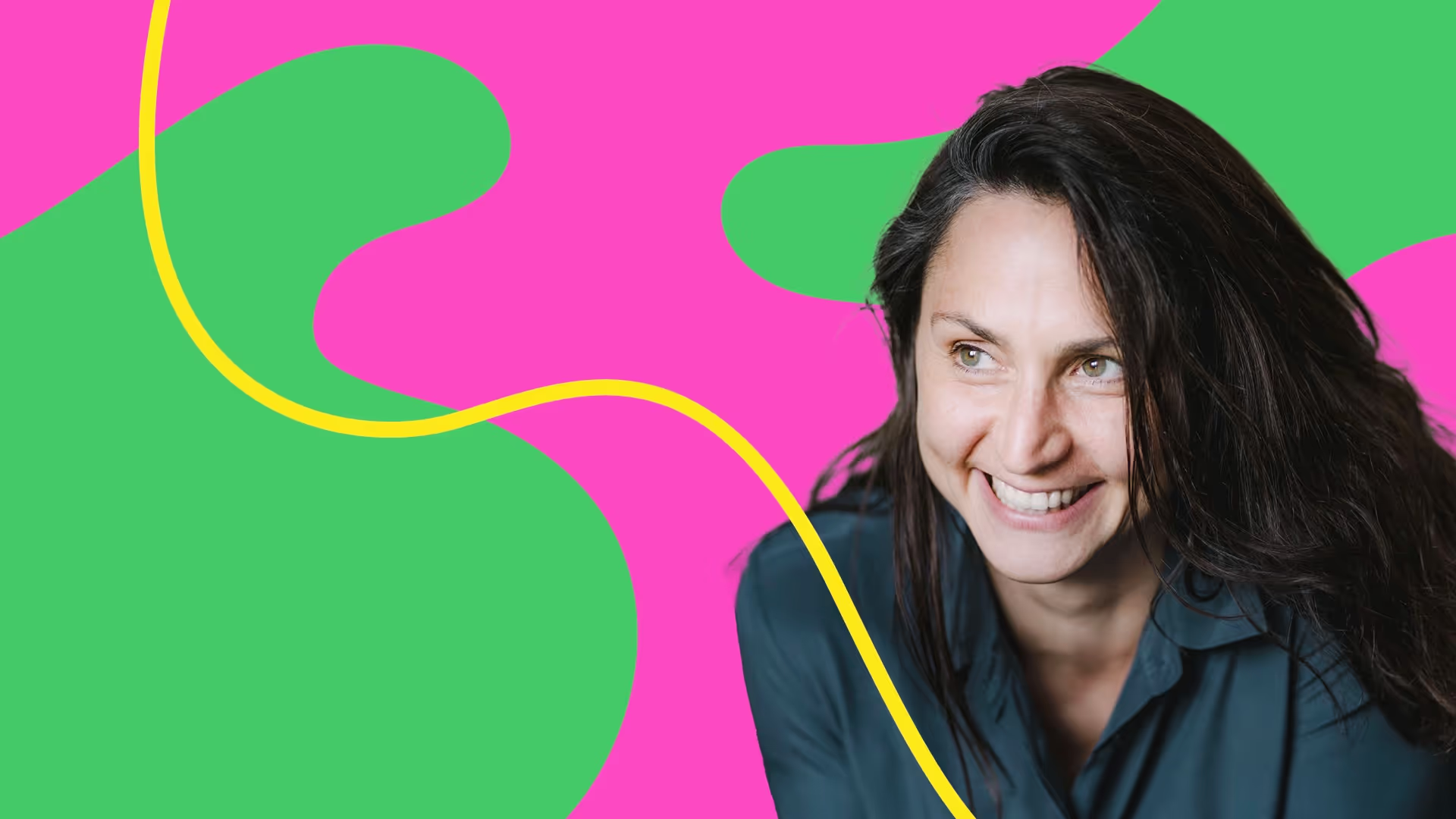
Q+A with the founder
Noam Gerstein is the CEO & founder of The bina School. Join us for a Q+A that delves into why she started bina and her goals for the company.

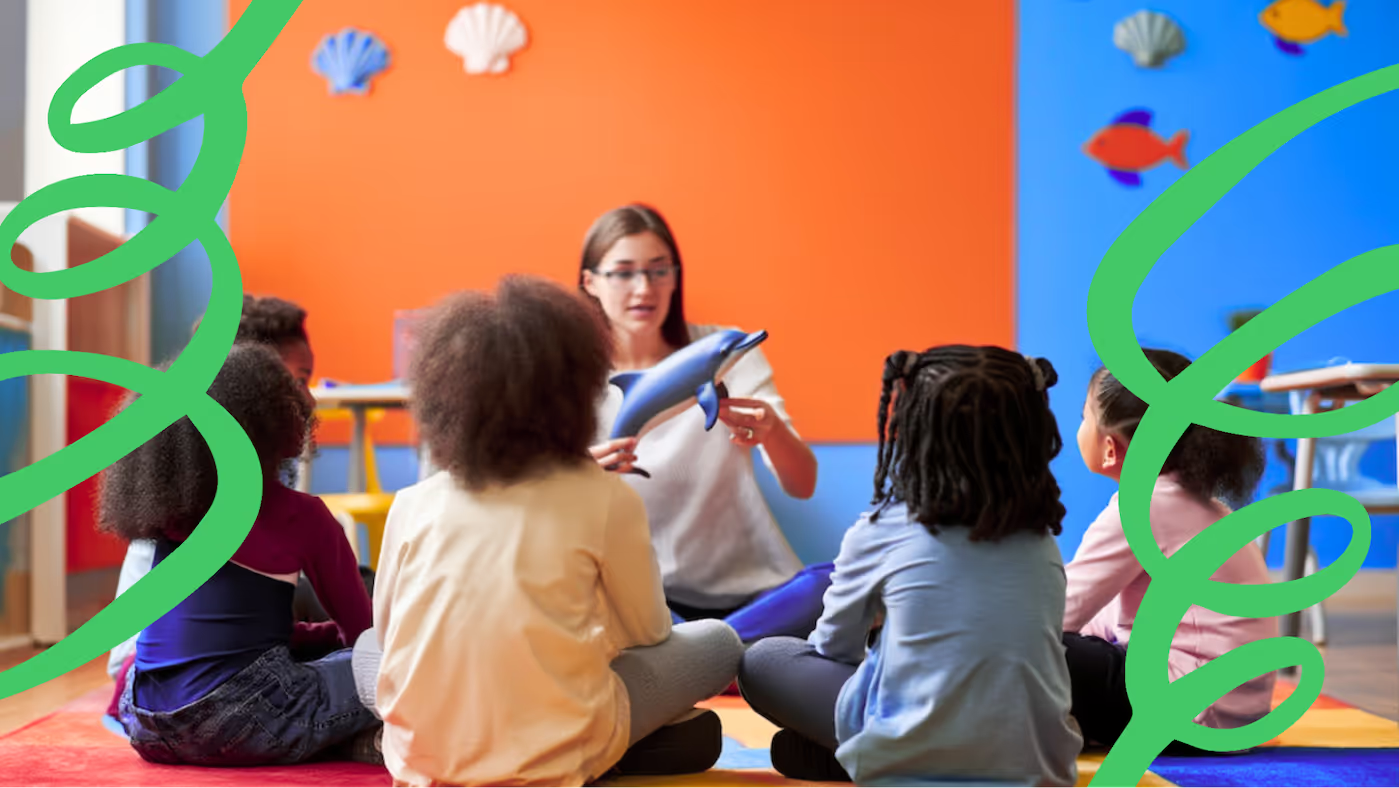
Why elementary schools with small class sizes matter
Discover why small class sizes matter in elementary school, what “small” really means, and how to find a close-knit learning environment for your kiddo.