Every parent's list of social-emotional learning resources
Parenting isn’t just about teaching ABCs and tying shoelaces. It’s about helping little humans figure out who they are. That’s where social-emotional learning (SEL) comes in. It’s the foundation for self-awareness, empathy, and making good choices.
The good news is SEL doesn’t require fancy lessons or a psychology degree. It happens in everyday moments like reading stories, playing games, and talking things through.
This guide rounds up simple, fun ways to build emotional smarts at home with books, apps, games, and activities your kids will love.
Books and stories that build SEL understanding
SEL books can do what lectures can’t — help kids feel what others feel. Reading about emotions, social skills, and resilience gives children real models for empathy and self-awareness. Here are a few standout books across different ages and experiences:
The Color Monster by Anna Llenas
When a little monster wakes up with his emotions all mixed together, a friend helps him sort them by color. With bold pop-up art and simple language, this book makes big feelings visible and helps preschoolers learn that every emotion has a place.
A Feel Better Book for Little Tempers by Holly Brochmann and Leah Bowen
This rhythmic story normalizes anger (“Sometimes I feel like a volcano!”) while showing simple strategies to cool down with deep breaths, counting, and using words. It gives toddlers and preschool-aged children practical tools to manage frustration and reassures them that big feelings don’t make them bad, just human.
The Invisible Boy by Trudy Ludwig
Brian feels invisible, left out, and lonely at school. When a new student arrives, one act of kindness changes everything. This heartfelt story opens conversations about empathy, inclusion, and the social-emotional needs of others.
Wonder by R.J. Palacio
Auggie Pullman, a boy with a facial difference, starts school for the first time and discovers both cruelty and compassion. Told from multiple perspectives, Wonder explores courage, kindness, and the ripple effect of empathy. It’s a middle-grade essential for teaching that everyone fights battles we can’t see.
Rain Reign by Ann M. Martin
Told through the lens of an autistic protagonist, this middle-grade novel helps children understand neurodiversity and emotional expression in different forms. It’s an important reminder that SEL isn’t one-size-fits-all.
SEL board games
Behind the dice and giggles, games are emotional bootcamps in disguise. Kids learn to take turns, cope with frustration, and celebrate others. Try these games to help build empathy, patience, and teamwork, one turn at a time.
For some extra SEL, pair gameplay with reflection. Ask questions like, “What made this round easier when we worked together?” or “How did it feel when someone helped you?”
The Ungame: Kids Version
This game is a conversation-based classic with open-ended prompts like “Describe a time you felt proud” or “What makes you feel safe?” There’s no competition and no winners, just an honest connection. It encourages kids to listen deeply, express emotions freely, and discover that sharing feelings can be fun, not intimidating.
Hoot Owl Hoot!
This SEL activity is a cooperative game by Peaceable Kingdom for ages four and up. Players work together to help the owls fly home before sunrise, matching colors instead of racing for points. Its gentle gameplay teaches teamwork, patience, and collective problem-solving, perfect for kiddos who prefer cooperation over competition.
Friends and Neighbors
This matching game teaches empathy through everyday moments, such as comforting a hurt friend, finding a lost toy, or offering a hug. The bright illustrations and sturdy pieces make it engaging for preschoolers, while the scenarios open natural conversations about kindness and helping others.
Feelings in a Flash
This colorful deck is packed with emotion faces and “What would you do?” cards that spark meaningful chats. It’s versatile — use it for storytelling, role-play scenarios, or quick reflection rounds.
Emo Moogy
Kiddos explore emotion cards, breathing prompts, and short mindfulness challenges designed to build emotional vocabulary. The game introduces nuanced feelings like “nervous” or “proud” through playful visuals, helping children understand that emotions aren’t just good or bad; they’re information.
Apps and digital tools for SEL
When used with intention, tech can support social-emotional development by helping kids slow down, tune in, and build awareness of their emotions. These apps help kids build mindfulness, social awareness, and simple coping strategies to manage stress or frustration.
Headspace for Kids
This child-friendly version of the popular mindfulness app offers guided meditations and breathing exercises for focus, sleep, and emotional regulation. With bite-sized meditations on calm, kindness, and focus, Headspace helps kids unwind before bed or reset after a meltdown. No incense required.
Smiling Mind
Developed by psychologists and educators, this free app features tailored mindfulness programs for different age groups from ages three to 18. The interface is simple and friendly, with quick check-ins that help kids build awareness before big emotions take over. It’s great for teaching kids how to pause, breathe, and check in with their feelings before reacting.
Breathe, Think, Do with Sesame
Perfect for preschoolers, kids help a furry blue Sesame Street monster manage everyday challenges, like losing a toy or waiting their turn, by tapping through “breathe, think, do” steps. It’s interactive, funny, and teaches emotional problem-solving in a way little ones actually enjoy.
Mood Meter
This app uses a colorful grid to help kids identify and name their emotions. Over time, it tracks mood patterns and encourages reflection, turning emotional vocabulary into a daily habit.
YouTube channels and podcasts
When a singing monster or mindful monkey is doing the teaching, kids actually listen. These channels and podcasts sneak in social-emotional lessons one laugh at a time.
Sesame Workshop
These are a trusted classic for a reason. Through short clips like Monster Meltdown, kids learn that big feelings are normal and manageable. The mix of familiar characters and calm narration helps even the youngest viewers see emotions in action.
GoNoodle
Part dance party, part brain break, GoNoodle’s energetic videos get kids moving, singing, and practicing self-regulation without realizing it. Videos like Melting and Think About It teach how to breathe through frustration and reset.
Moovlee
Meet Moovlee, a cheerful monkey who turns mindfulness for kids into movement. Through quick, high-energy videos, kids breathe, stretch, and shake out big feelings while learning to notice what’s going on inside. It’s part yoga, part playtime, and completely preschooler-approved. The bright visuals and cheerful tone make it perfect for morning energy resets or bedtime wind-downs.
The Imagine Neighborhood Podcast
This award-winning podcast from the creators of the Second Step SEL curriculum uses wild storytelling (dragons, robots, and all) to help kids unpack feelings like anger, jealousy, and fear. It’s part adventure, part emotional toolkit, showing kids that even heroes have big feelings. Episodes mix humor and heart, making tough topics easy to digest.
Emotion Motion Podcast
Hosted by SEL educator Lindsay Leimbach, this immersive podcast turns mindfulness into an experience. Young listeners are guided through stories that mix breathing exercises, visualization, and gentle movement to strengthen focus and emotional awareness. What sets it apart is its calming pace and sensory storytelling, helping kids learn to self-regulate anywhere, from the classroom to the car seat.
DIY SEL games and activities
You don’t need fancy art materials or expensive storytelling kits to teach emotional intelligence — just a bit of creativity (and maybe some crayons). These hands-on SEL activities and inclusive classroom games make social-emotional learning part of everyday play.
Feelings and emotions cards
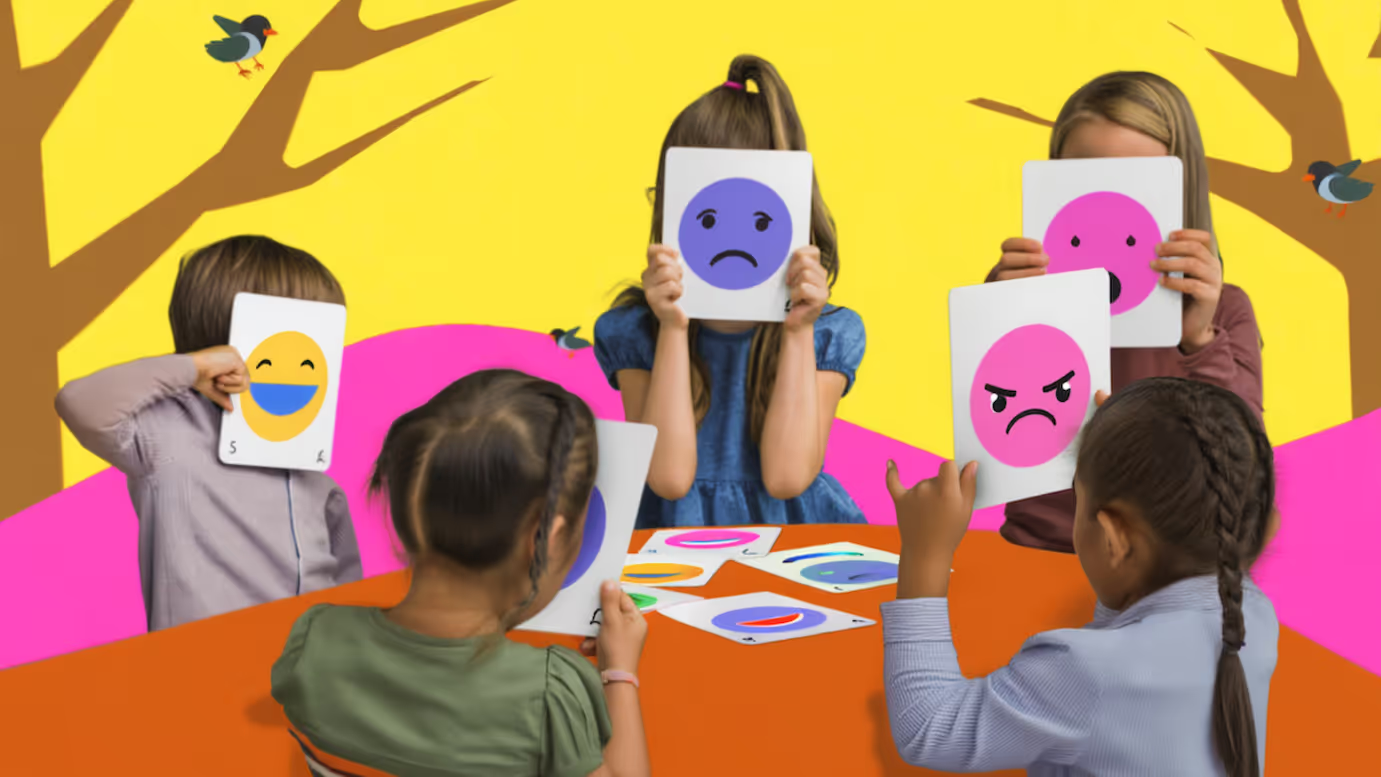
Draw, print, or cut out different emotion faces and use them for endless games. Play charades, match faces to stories, or ask kids to share a memory that fits each feeling. It helps them recognize feelings in themselves and others while building emotional vocabulary.
Body language mirroring
Kids pair up and take turns copying each other’s facial expressions and movements. They’ll giggle through it, but they’re also learning empathy by observing how emotions show up in the body. It’s a simple way to sharpen awareness of nonverbal cues.
Voice inflection game
Have kids say the same phrase, like “I can’t believe it!” in different tones: excited, annoyed, sarcastic, proud. Then discuss how the same words can mean totally different things depending on voice and body language. It’s a fun reminder that communication is about more than just words.
Perspective switch
Give kids a short scenario, for example, two friends want the same swing or disagree about a game rule. Then have them argue from the other person’s point of view. It’s a playful way to teach responsible decision-making and conflict resolution.
Create a calm-down corner
Let kids design their own “calm space” with things that help them reset, from drawings and fidget toys to a soft blanket or favorite book. The key is ownership: when kids create it themselves, they’re more likely to use it when emotions run high.
Turn social-emotional learning into everyday learning with bina
Helping kids understand their feelings, build social awareness, and handle big emotions takes time. And it’s not always easy to do at home. But bina brings calm, structure, and support.
bina teaches social-emotional skills as part of everyday learning, not a separate class. Kids start with morning check-ins to name their feelings, work together on group projects that teach empathy, and learn how to use calm-down tools like breathing exercises and “I feel” statements.
With small classes and teachers who really know each child, bina helps kids feel seen, supported, and confident.
Accredited, full-time school for grades K-12
Bring the best of the classroom to your home
See if we're a fit
More to read
10 social emotional learning books to read with your child
Discover 10 social-emotional learning books for young children. Here’s a list of the top books for encouraging self-awareness and empathy.

Social-emotional learning: Preschool activities and resources
Learn why social-emotional learning at a preschool age is important and discover top activities, resources, and best practices to teach it at home.
15 Social-Emotional Learning Games for Kind Kiddos
Explore 15 playful social-emotional learning games that help children grow into kind, confident, and emotionally aware humans.